
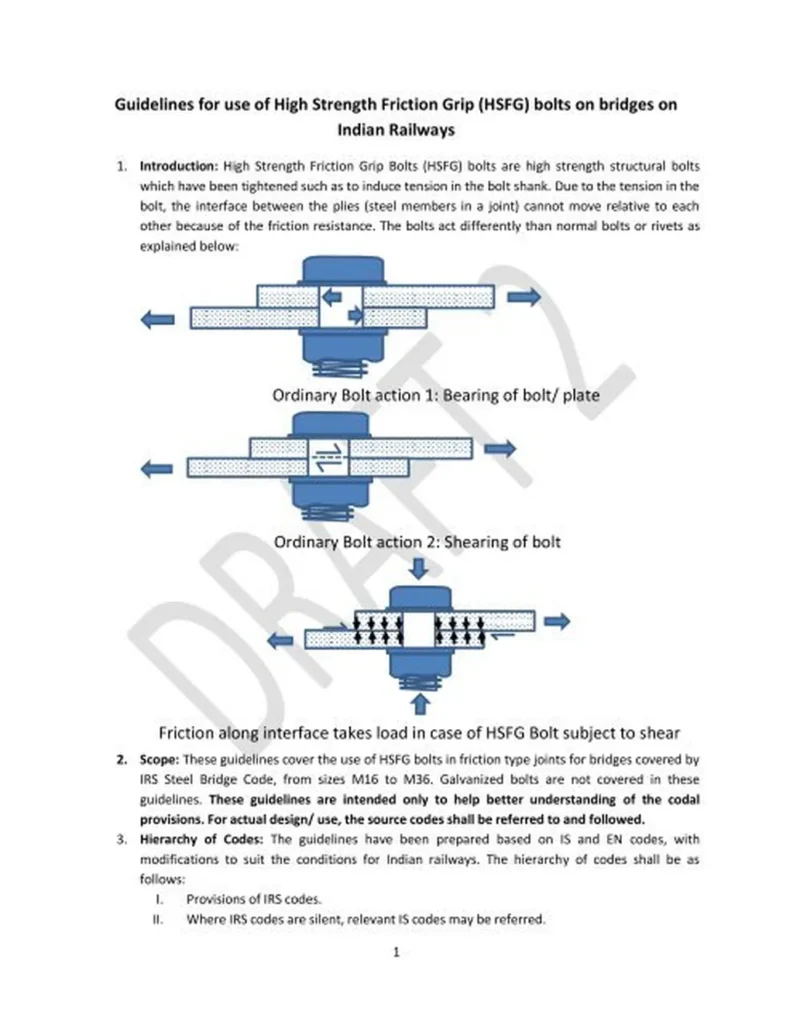
In the world of construction and energy infrastructure, the reliability of high-strength bolted connections is paramount. A recent study published in *Jianzhu Gangjiegou Jinzhan* (Advances in Structural Engineering) sheds new light on the factors influencing the relaxation of pre-tensioning force in high-strength bolted friction connections, particularly in high-strength steel structures. Led by Gao Fei, the research delves into the critical factors that affect the long-term performance of these connections, offering insights that could reshape industry standards and practices.
High-strength bolts are widely used in the construction of energy infrastructure, such as wind turbines, oil and gas platforms, and large-scale industrial facilities. The pre-tensioning force in these bolts is crucial for maintaining the structural integrity of the connections. However, over time, this force can relax, potentially compromising the safety and efficiency of the structures.
Gao Fei and his team conducted 55 single-bolt pre-tensioning relaxation tests to investigate the impact of various factors on the relaxation rate of high-strength bolts. The study focused on the effects of steel grade, bolt grade, hole type, and surface treatment methods. The results revealed that surface treatments, particularly those involving coatings, significantly increase the relaxation rate of high-strength bolts. “When the coating is too thick, the relaxation rate within 24 hours after tightening can reach over 10%,” noted Gao Fei. This finding underscores the importance of careful consideration in the application of surface treatments to ensure long-term performance.
The research also found that the grade of the bolts and the steel material did not significantly affect the relaxation rate. However, enlarging the holes in the connected plates slightly increased the relaxation rate. These insights are particularly relevant for the energy sector, where the reliability of bolted connections is critical for the safety and efficiency of large-scale structures.
Looking ahead, the study predicts the relaxation rates of high-strength bolts over a 50-year period based on 24-hour monitoring data. The results indicate that untreated specimens have a maximum relaxation rate of 3.8%, while specimens with different surface treatments exhibit varying relaxation rates. For instance, arc-sprayed aluminum coating specimens have a relaxation rate of 8.30%, inorganic zinc-rich coating specimens have a relaxation rate of 9.40%, and arc-sprayed zinc-aluminum alloy coating specimens have a relaxation rate of 12.52%. Notably, except for the arc-sprayed zinc-aluminum alloy coating, other surface treatment methods result in relaxation rates below 10%.
This research has significant implications for the energy sector, where the long-term performance of bolted connections is crucial. By understanding the factors that influence pre-tensioning relaxation, engineers and construction professionals can make more informed decisions about the design and maintenance of high-strength bolted connections. As Gao Fei’s work suggests, careful consideration of surface treatments and hole types can help mitigate relaxation issues, ensuring the safety and efficiency of energy infrastructure.
The findings published in *Jianzhu Gangjiegou Jinzhan* (translated as “Advances in Structural Engineering”) provide a valuable resource for professionals in the field. As the energy sector continues to evolve, the insights from this research will be instrumental in shaping future developments and ensuring the reliability of critical infrastructure.