
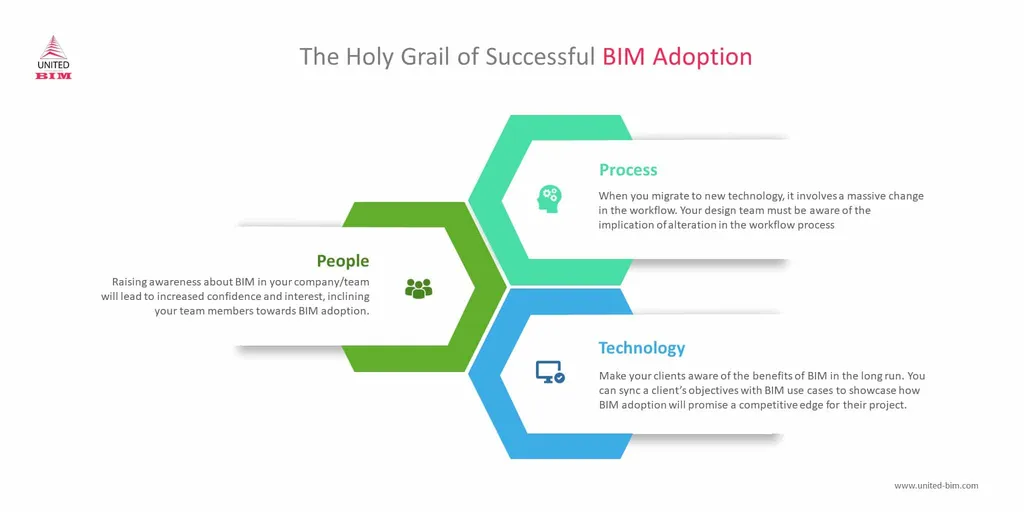
In the ever-evolving landscape of the construction industry, Building Information Modeling (BIM) has emerged as a powerful tool, promising enhanced efficiency and reduced costs. Yet, its adoption has been met with resistance, hindered by complex processes and knowledge gaps. A recent study published in ‘Discover Civil Engineering’ (translated from German as ‘Explore Civil Engineering’) offers a fresh perspective on overcoming these barriers, integrating archetypal theory into change management strategies.
Viktoria Krischanowski, a Green Building Engineer at the University of Applied Sciences Cologne, led the research that delves into the human dynamics of BIM implementation. “Previous approaches have primarily focused on technological solutions and process-oriented methods,” Krischanowski explains. “However, the integration of employees is a key success factor.”
The study identifies various archetypes within organizations that influence BIM adoption, such as the “friend” and the “explorer.” By understanding these archetypes and their behaviors, tailored strategies can be developed to engage and support them effectively. “Early employee involvement, transparent communication, pilot projects, and targeted engagement of key archetypes enhance acceptance, trust, and motivation,” Krischanowski notes.
The research underscores the importance of a holistic change management approach that combines technical solutions with human-centered strategies. This integration is crucial for the energy sector, where BIM can significantly impact project management and energy efficiency.
Krischanowski’s work marks the first explicit integration of archetypal insights into BIM change management, offering both a theoretical framework and practical guidance. As the construction industry continues to evolve, this research could shape future developments, ensuring that the potential of BIM is fully realized.
By bridging the gap between technical innovation and social adoption, Krischanowski’s study provides a roadmap for successful BIM implementation, ultimately driving progress in the construction and energy sectors. The findings were published in ‘Discover Civil Engineering’, offering a valuable resource for professionals seeking to overcome BIM adoption barriers and enhance its potential.