
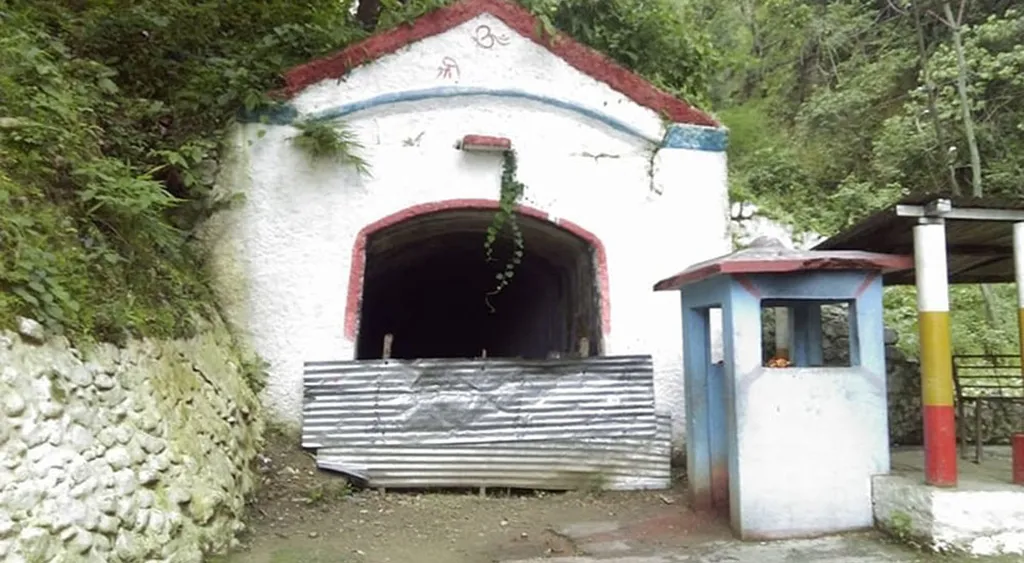
Nestled in the heart of Nepal, the Churiyamai Tunnel, a relic from the early 20th century, has long been a testament to the country’s infrastructural evolution. Built in 1917, it stands as Nepal’s first highway tunnel, a silent witness to the passage of time and the relentless march of progress. However, time and nature have taken their toll, and the tunnel has faced significant structural challenges. Enter Sahadev Bahadur Bhandari, a key figure from the Kathmandu Terai Madhesh Fast Track (Expressway) Road Project, who has spearheaded a meticulous restoration effort that blends the old with the new, the traditional with the modern.
The Churiyamai Tunnel, located near Hetauda, has been plagued by issues such as partial collapses, cracks in linings, material deterioration, and water leakage. These problems not only pose safety risks but also threaten the tunnel’s historical and cultural significance. Bhandari and his team embarked on a comprehensive maintenance project between 2021 and 2022, aiming to restore the tunnel’s functionality while preserving its heritage status.
The restoration process was a delicate dance between old and new technologies. “We used a combination of modern and traditional techniques to address the structural deficiencies,” Bhandari explains. This included grouting to fill cracks and voids, rock bolting to reinforce the tunnel walls, and shotcreting to provide a protective layer. The team also employed traditional methods to ensure the tunnel’s historical integrity was maintained.
The commercial implications of this research are significant, particularly for the energy sector. Tunnels are crucial for transporting energy resources, and maintaining their structural integrity is paramount. The techniques used in the Churiyamai Tunnel’s restoration could serve as a blueprint for similar projects worldwide, ensuring the safe and efficient transport of energy resources.
Moreover, the successful restoration of the Churiyamai Tunnel could pave the way for future developments in tunnel maintenance and heritage preservation. As Bhandari notes, “This project has shown that it is possible to restore and maintain historical structures using modern techniques without compromising their cultural significance.” This approach could be applied to other heritage sites, not just in Nepal but globally, ensuring that our shared history is preserved for future generations.
The detailed findings of this restoration project were published in the ‘Engineering Heritage Journal’, known in English as the ‘Engineering Heritage Journal’. This research not only highlights the importance of preserving our infrastructural heritage but also demonstrates the potential of combining traditional and modern techniques to address structural challenges. As we look to the future, the Churiyamai Tunnel stands as a beacon of hope, a testament to the power of innovation and the importance of preserving our past.