
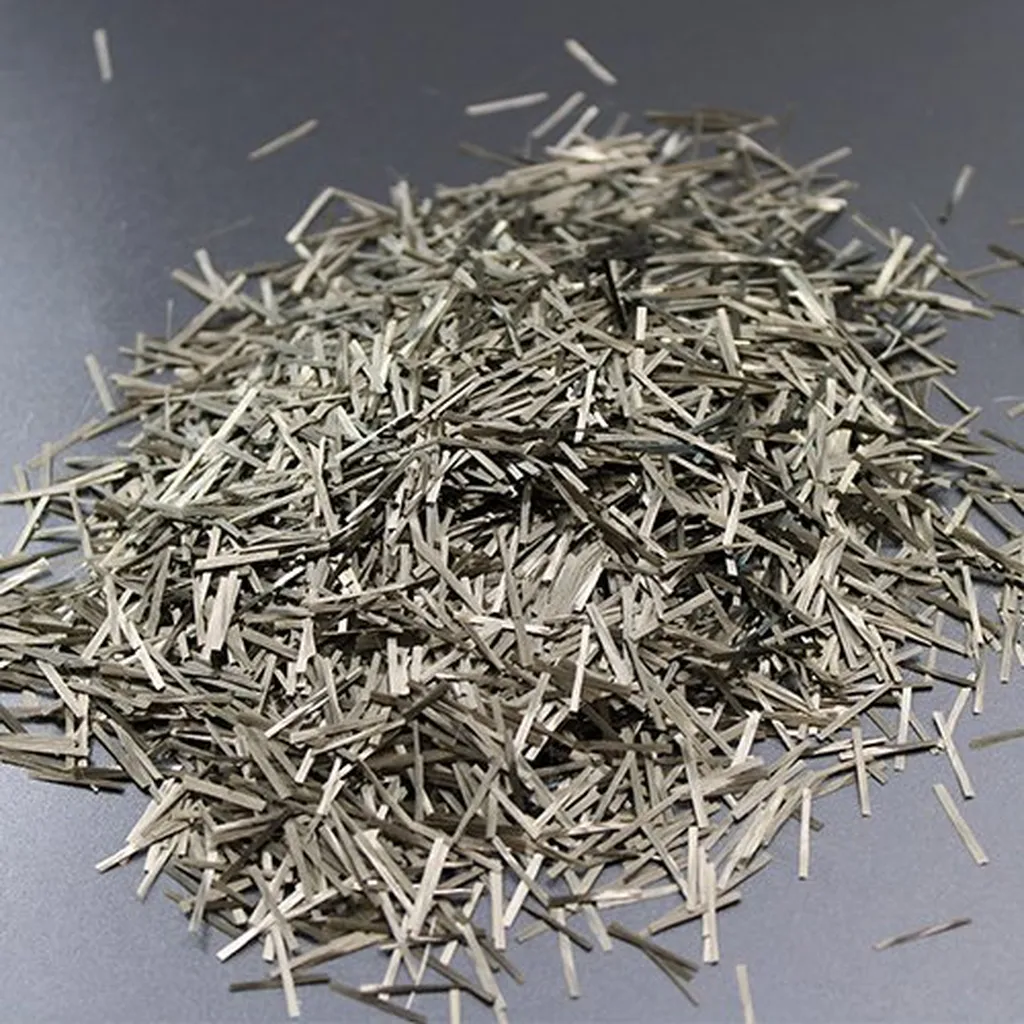
In the quest for more sustainable and durable road construction materials, a recent study published in the *Journal of Innovative Transportation* offers promising insights. Led by Dolunay Zengin from Pamukkale University’s Faculty of Engineering, the research explores the potential of basalt fiber-reinforced recycled asphalt pavement (RAP) to enhance rutting resistance, a critical factor in pavement performance and longevity.
Rutting, the permanent deformation of asphalt pavements under traffic loads, poses significant challenges to road safety and durability. Traditional asphalt mixtures often require substantial virgin materials, contributing to environmental concerns and higher costs. However, the incorporation of RAP and basalt fibers presents a viable solution to these issues.
Zengin’s study investigated the effects of varying RAP content (15%, 30%, and 45%) combined with 6 mm long basalt fibers at a concentration of 3‰. The Hamburg wheel tracking test was employed to assess the mixtures’ resistance to permanent deformation. The results were compelling: as the RAP content increased, rut depth and surface peeling decreased. Notably, mixtures with 0% RAP and 3‰ basalt fibers exhibited lower rut depths compared to control samples, indicating the fibers’ significant contribution to rutting resistance.
“The integration of recycled materials and basalt fibers not only enhances the environmental sustainability of asphalt pavements but also improves their structural performance,” Zengin explained. “Our findings suggest that RAP mixtures can outperform traditional hot mix pavements in terms of rutting resistance.”
One of the most striking results was observed with the combination of 45% RAP and 3‰ basalt fiber, which achieved nearly a 47% reduction in rutting depth. This substantial improvement highlights the potential for significant commercial impacts, particularly in the energy sector, where durable and sustainable road infrastructure is crucial for transportation and logistics.
The study’s implications extend beyond immediate applications. By demonstrating the effectiveness of basalt fibers in enhancing rutting resistance, the research opens doors for future investigations into other performance aspects, such as crack resistance. As Zengin noted, “Future research may focus on evaluating the crack resistance of asphalt pavements reinforced with high tensile strength basalt fibers, further advancing the field of sustainable road construction.”
For professionals in the construction and energy sectors, these findings offer a glimpse into the future of road construction—one that prioritizes sustainability, durability, and cost-effectiveness. As the industry continues to seek innovative solutions to pressing challenges, the integration of recycled materials and advanced fibers like basalt could play a pivotal role in shaping the next generation of infrastructure.