
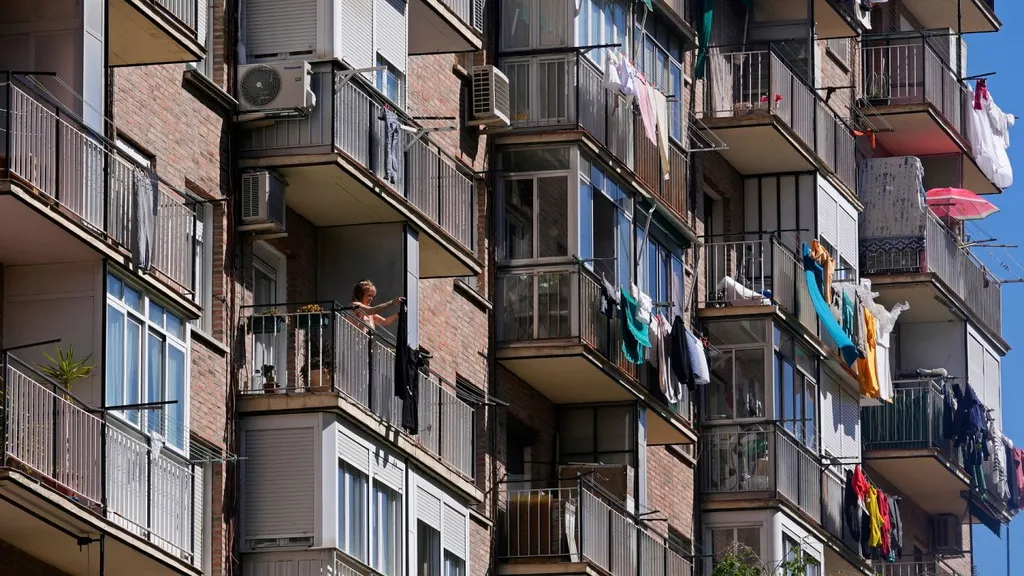
In the heart of Europe’s urban landscapes, a silent energy crisis is unfolding, one that doesn’t make headlines but has significant implications for the energy sector and our collective sustainability goals. The culprit? Our aging multi-family housing stock, a vast majority of which was constructed before modern energy efficiency standards were even a twinkle in the architect’s eye. But a new study, led by Danijela Milanović from the University of Niš, Faculty of Civil Engineering and Architecture, is shedding light on this often-overlooked issue and pointing the way towards substantial energy savings.
Milanović and her team have delved into the energy performance of multi-family buildings across the European Union and Serbia, focusing on two key factors: the building’s construction period and its typology. Their findings, published in ‘Facta Universitatis. Series: Architecture and Civil Engineering’ (which translates to ‘Facts of the University. Series: Architecture and Civil Engineering’), reveal a treasure trove of untapped potential for energy savings.
The study highlights that buildings constructed during the 20th century, particularly those of the “lamela” type in Serbia—a specific typology characterized by long, narrow apartment blocks—are among the most energy-inefficient. These buildings, built during a period of state-directed housing construction, are now prime candidates for targeted energy upgrades.
“By focusing on these specific building types and periods, we can achieve significant reductions in heating energy demand,” Milanović explains. “This is not just about slapping on some insulation and calling it a day. It’s about strategic, large-scale improvements that can make a real dent in our energy consumption.”
The implications for the energy sector are substantial. According to the study, improving the energy performance of these buildings could lead to a significant reduction in heating energy demand. This presents a major opportunity for energy providers to diversify their offerings and tap into a previously overlooked market.
Moreover, the study’s tailored approach—using detailed datasets for the EU and reference data for Serbia—sets a precedent for how similar analyses could be conducted in other regions. This could pave the way for a more nuanced, targeted approach to energy efficiency improvements, one that takes into account the unique characteristics of each building stock.
But perhaps the most compelling aspect of this research is its potential to shape future developments in the field. By identifying the building types and periods most relevant for targeted energy upgrades, Milanović and her team have provided a roadmap for policymakers, energy providers, and building owners to follow. It’s a roadmap that could lead us towards a more sustainable, energy-efficient future.
As Milanović puts it, “This is not just about saving energy. It’s about creating a more sustainable future for us all.” And in the face of a silent energy crisis, that’s a message worth heeding.