
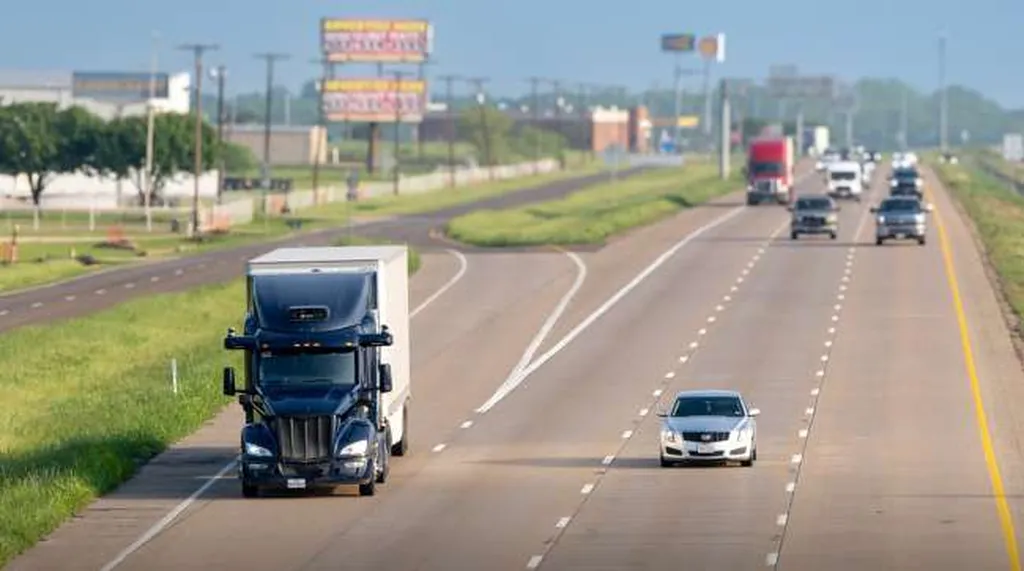
In the ever-evolving landscape of transportation, a groundbreaking initiative is paving the way for a future where roads are not just pathways but intelligent, self-sustaining networks. The Forever Open Roads (FOR) program, spearheaded by the Forum of European National Highway Research Laboratories (FEHRL), is redefining the boundaries of road infrastructure, promising to revolutionize the way we think about mobility and energy consumption.
At the heart of this transformation is the concept of automated, autonomous, and resilient roads. Imagine a scenario where roads can self-monitor, self-repair, and even generate energy. This is not a distant dream but a tangible reality that the FOR program is striving to achieve. “The FOR program is about creating roads that are not just static structures but dynamic entities that can adapt and evolve with the changing needs of transportation,” explains Kemal Armağan, lead author of a recent study published in the Journal of Innovative Transportation, which translates to “Journal of Innovative Transportation” from Turkish. Armağan, affiliated with Karamanoglu Mehmetbey University, delves into the intricacies of this innovative approach, highlighting its potential to reshape the transportation sector.
The implications for the energy sector are profound. Automated and autonomous roads can significantly reduce energy consumption by optimizing traffic flow and minimizing congestion. Resilient roads, on the other hand, can withstand extreme weather conditions and natural disasters, ensuring uninterrupted mobility and reducing the economic impact of disruptions. “This is not just about building better roads; it’s about creating a sustainable and efficient transportation ecosystem that benefits everyone,” Armağan emphasizes.
The FOR program is part of a broader initiative under the European Commission’s Horizon 2020 program, which aims to foster innovation in cross-modal transportation. The Forever Open Infrastructure Across all Transport Modes (FOX) program complements FOR by developing general methods applicable to all transport modes. Together, these programs are setting the stage for a transportation revolution that could redefine the way we move goods and people across the globe.
As we stand on the brink of this transformation, the question arises: how will these innovations shape the future of transportation and energy consumption? The answers lie in the ongoing research and development efforts of programs like FOR and FOX. One thing is clear: the future of transportation is not just about getting from point A to point B; it’s about doing so in the most efficient, sustainable, and intelligent way possible. The FOR program, with its vision of automated, autonomous, and resilient roads, is a significant step in that direction, promising a future where the road ahead is not just open but forever open.