
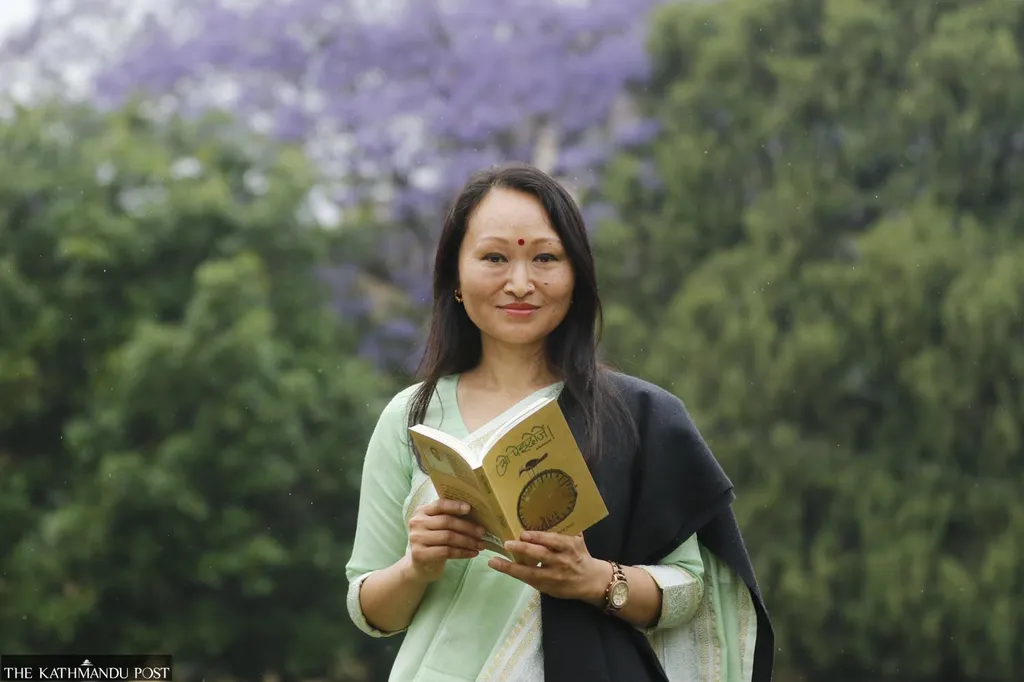
In the heart of the Himalayas, a literary revolution is unfolding, one that could reshape our understanding of post-conflict societies and their path to healing. Ramesh Prasad Adhikary, a scholar from Tribhuvan University, has delved into the intricate world of Nepali literature to uncover how the country’s Maoist insurgency (1996–2006) has been etched into the collective consciousness of its people. His research, published in the journal SAPIENTIAE (meaning ‘Wisdom’), offers a unique lens through which to view the intersection of trauma, resistance, and cultural memory.
Adhikary’s study, which focuses on three seminal works—Tara Rai’s *Chhapamar Yuwatiko Diary* (Diary of a Young Guerrilla Girl), Manjushree Thapa’s *Seasons of Flight*, and selected poems by Bhupi Sherchan—reveals how literature can serve as both a record of individual and collective trauma and a platform for subaltern resistance. “These texts are not just stories; they are testimonies of marginalized voices,” Adhikary explains. “They amplify the experiences of women, Dalits, and ethnic minorities, challenging the hegemonic narratives of both the state and the insurgents.”
The research employs a sophisticated framework that integrates trauma and postcolonial theories. By analyzing narrative strategies such as fragmentation, silences, and syncretic imagery, Adhikary highlights how these literary works reflect unprocessed psychological wounds and negotiate power dynamics. “Fragmented storytelling is a powerful tool,” he notes. “It mirrors the disjointed nature of trauma and the struggle to articulate it.”
One of the most compelling aspects of Adhikary’s work is its exploration of how these texts foster a resilient post-conflict Nepali identity. The syncretic blending of Hindu, Buddhist, and indigenous elements in the literature promotes reconciliation through cultural memory. “Literature becomes a site of healing,” Adhikary observes. “It allows for the construction of hybrid identities that bridge divides and contribute to national healing.”
The implications of this research extend far beyond the literary world. In the energy sector, for instance, understanding the cultural and psychological impacts of conflict can inform community engagement strategies. Companies operating in post-conflict regions can leverage insights from such studies to build trust and foster collaboration with local communities. “Energy projects often intersect with communities that have a history of conflict,” Adhikary points out. “By recognizing and respecting their narratives, companies can create more inclusive and sustainable development initiatives.”
Adhikary’s work also underscores the vital role of literature in post-insurgency identity formation and reconciliation. By enhancing the visibility of Nepali literary responses to conflict, his research bridges literary, anthropological, and political perspectives. “This is not just about understanding the past; it’s about shaping the future,” he concludes.
As Nepal continues to navigate its path as a federal republic, the insights gleaned from Adhikary’s research could prove invaluable. By embracing the power of literature and cultural memory, the country can move towards a more inclusive and resilient future. For the energy sector, this research serves as a reminder of the importance of cultural sensitivity and community engagement in post-conflict regions. As Adhikary’s work demonstrates, the stories we tell—and how we tell them—can have a profound impact on the healing and reconciliation processes that are essential for sustainable development.