
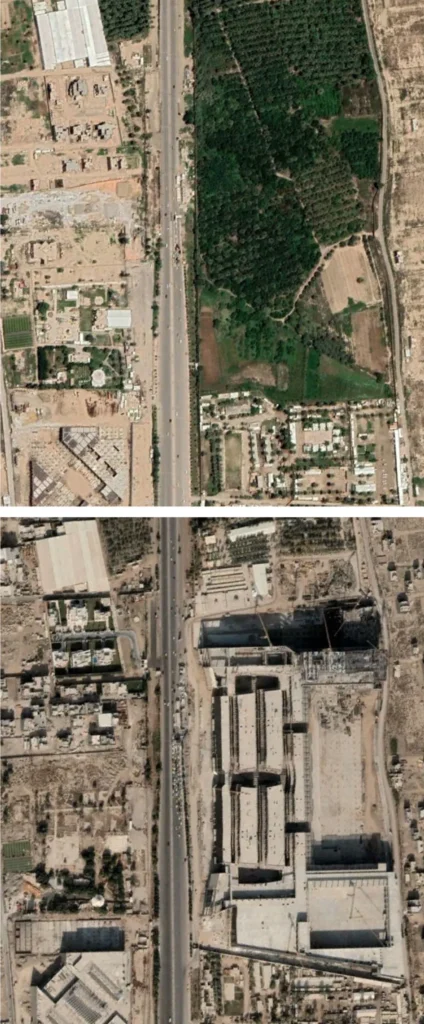
In the heart of Iraq, Baghdad is grappling with a silent crisis that is reshaping its landscape and quality of life. A recent study published in the *Journal of Engineering* (المجلة الهندسية), led by Shireen I. Khazaal from the Department of Engineering and Technical Affairs at the Ministry of Youth and Sports, sheds light on the alarming transformation of the city’s green spaces into residential areas, driven by rapid urbanization.
Between 2003 and 2024, Baghdad’s population surged from 5.6 million to nearly 9.1 million, triggering a dramatic shift in land use. The study, which focuses on the neighborhoods of Dura, Al-Buaitha, and Krayat, reveals a stark reality: urban areas expanded from 387.0 km² to 641.7 km², while green areas shrank from 283.5 km² to a mere 81.9 km². This loss of green spaces is not just an environmental concern but also a socio-economic one, with far-reaching implications for the energy sector and urban planning.
“Urbanization is a double-edged sword,” explains Khazaal. “While it brings economic growth and improved infrastructure, it also leads to the loss of agricultural land and green spaces, which are crucial for environmental sustainability and quality of life.”
The study highlights the adverse correlation between urbanization and the accessibility of green spaces. As the city expands, informal housing proliferates, and environmental quality deteriorates. This trend is not unique to Baghdad but is a global challenge, particularly in rapidly growing cities in the southern hemisphere.
The research underscores the urgent need for sustainable urban planning strategies. Khazaal suggests decentralizing expansion to satellite towns, encouraging vertical construction, and enforcing zoning laws. “Proactive planning is essential to mitigate the long-term impacts of urbanization,” she emphasizes. “We need to balance economic development with environmental conservation to ensure the city’s resilience and livability.”
For the energy sector, the implications are significant. The loss of green spaces can lead to increased energy consumption for cooling, as urban areas become heat islands. This, in turn, can strain energy resources and infrastructure. Sustainable urban planning, therefore, is not just about preserving green spaces but also about ensuring energy efficiency and sustainability.
The study’s findings are a wake-up call for policymakers, urban planners, and the energy sector. As cities continue to grow, the need for integrated, sustainable solutions becomes increasingly urgent. Khazaal’s research, published in the *Journal of Engineering*, provides a valuable framework for understanding the challenges and opportunities of urbanization in the 21st century. It serves as a reminder that the future of our cities depends on the choices we make today.