
In the relentless battle against crop-destroying pathogens, scientists have discovered a promising new weapon: zinc oxide nanoparticles (ZnO-NPs) synthesized using a green, eco-friendly method. This breakthrough research, led by Dr. EL-Sayed M. El-Morsy of Damietta University’s Botany and Microbiology Department, offers a sustainable alternative to synthetic fungicides, with significant implications for global agriculture and, indirectly, the energy sector.
The study, published in the journal Discover Nano (translated from Arabic as “Nano Discovery”), focuses on Fusarium equiseti, a soil-borne phytopathogen that threatens global crop production. Current control methods are limited and often unsustainable, making this discovery particularly timely.
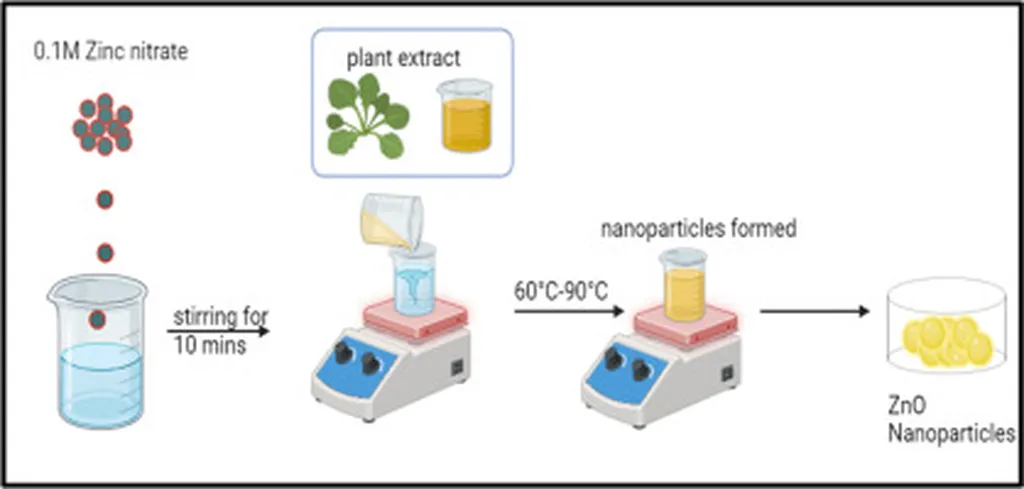
Dr. El-Morsy and his team synthesized ZnO-NPs using the extracellular filtrate of Trichoderma asperellum, a beneficial fungus. The resulting nanoparticles exhibited potent antifungal activity, inhibiting mycelial growth in two strains of F. equiseti by up to 73.41%. This efficacy is comparable to commercial fungicides like Propiconazole, but with the added benefit of being environmentally friendly.
“The green synthesis of ZnO-NPs using Trichoderma asperellum is a significant advancement,” said Dr. El-Morsy. “It not only provides an effective means of controlling Fusarium equiseti but also aligns with the global push towards sustainable agricultural practices.”
The researchers found that the ZnO-NPs induced distinct metabolic alterations in the treated fungi, including the appearance of stress-associated metabolites and modulation of membrane-active glycol ethers. Furthermore, the nanoparticles selectively enhanced the expression of defense-related genes in the fungi, demonstrating a multi-faceted antifungal mechanism.
The implications of this research extend beyond agriculture. In the energy sector, biofuels derived from crops are a growing area of interest. Effective crop protection strategies, such as the one proposed by Dr. El-Morsy’s team, can enhance crop yields and quality, thereby supporting the biofuel industry. Additionally, the green synthesis method used in this study could inspire similar eco-friendly approaches in other sectors, contributing to a more sustainable energy future.
“This study opens up new avenues for sustainable crop protection,” Dr. El-Morsy added. “It’s a step towards reducing our reliance on synthetic chemicals and moving towards more harmonious, nature-based solutions.”
As the world grapples with the challenges of climate change and environmental degradation, research like this offers a beacon of hope. By harnessing the power of nanotechnology and green synthesis, we can protect our crops, enhance our food security, and support the transition to a more sustainable energy future. The study, published in Discover Nano, is a testament to the power of innovative, interdisciplinary research in addressing global challenges.