
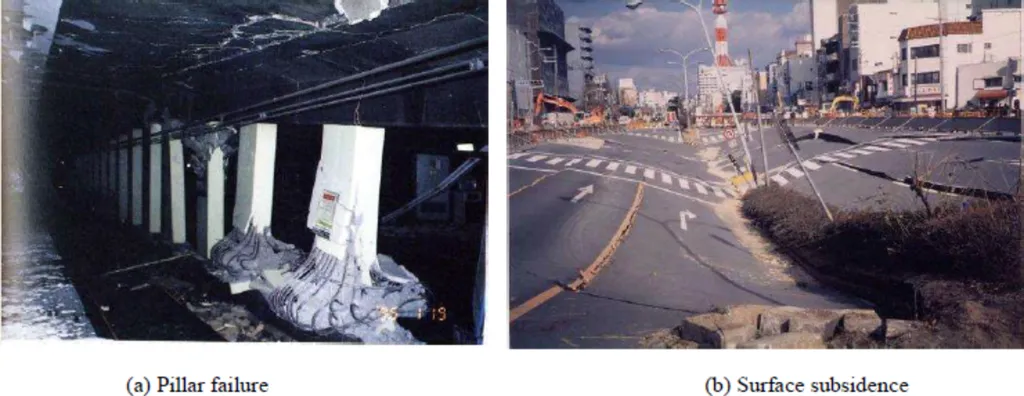
In the realm of underground construction, a groundbreaking study has shed light on the often-overlooked impact of soil plastic deformation on the seismic response of precast horseshoe-shaped tunnel structures. Led by Dr. Jiang Zhiwei from the Key Laboratory of Urban Security and Disaster Engineering at Beijing University of Technology, the research delves into the intricate dance between soil and structure during seismic events, with profound implications for the energy sector and beyond.
The study, published in *Yantu gongcheng xuebao* (translated to English as *Journal of Geotechnical Engineering*), challenges conventional seismic design methods that have historically ignored the plastic deformation of soil. “Current design methods don’t account for the additional loading effects caused by site plastic deformation,” explains Dr. Jiang. “This oversight could pose significant safety risks for underground structures, particularly in seismic zones.”
The research team conducted 1g shaking table model tests on a precast horseshoe segmental tunnel and its corresponding free-field site. Their findings revealed that when the site plastically deformed, the earth pressure distribution around the tunnel changed dramatically. This led to an increase in the bending moment and more concentrated structural deformation at connection regions. Additionally, the structure exhibited vertical shrinking and horizontal expanding deformation responses.
One of the most striking discoveries was the identification of a region where the structure had a hard connection with the soil, resulting in earth pressure concentration. “This concentration can lead to localized stress and potential failure points,” notes Dr. Jiang. “Our findings suggest that computation under unbalanced earth and water static pressure conditions should be incorporated into the design of important underground structures to better account for these internal force responses.”
The commercial implications for the energy sector are substantial. Underground structures, such as pipelines and storage facilities, are critical components of energy infrastructure. Ensuring their seismic resilience is paramount, especially in regions prone to earthquakes. By integrating the findings of this research into design practices, energy companies can enhance the safety and longevity of their underground assets, ultimately reducing maintenance costs and mitigating the risk of catastrophic failures.
Dr. Jiang’s team also highlights the broader applications of their work. “Our research not only benefits the energy sector but also has implications for urban infrastructure, transportation networks, and even residential buildings,” says Dr. Jiang. “Understanding the interplay between soil and structure during seismic events is crucial for advancing the field of underground construction.”
As the construction industry continues to evolve, the insights gleaned from this study are poised to shape future developments. By addressing the gaps in current seismic design methods, engineers can create more robust and resilient underground structures, ensuring the safety and sustainability of our built environment.
In an era where natural disasters are becoming increasingly unpredictable, the need for innovative solutions has never been greater. Dr. Jiang’s research offers a compelling step forward, bridging the gap between theoretical understanding and practical application. As the construction industry embraces these findings, the future of underground construction looks brighter and more secure than ever before.